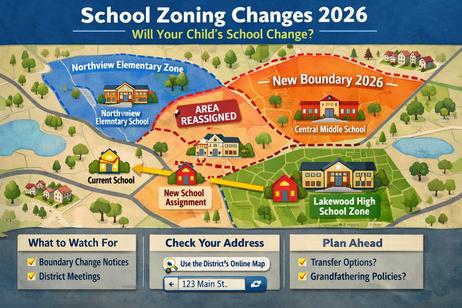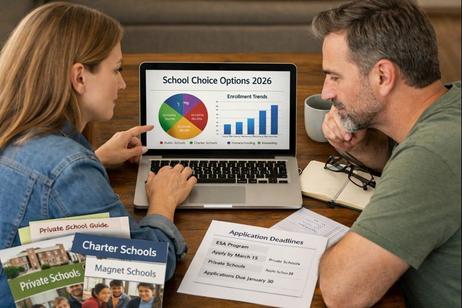
School choice continues to reshape the public education landscape in 2026. Across the country, families are navigating open enrollment policies, charter school growth, education savings accounts, and inter-district transfers. At the same time, traditional public school districts are adapting to enrollment shifts and funding changes.
For parents, the expanding range of options can feel overwhelming. This guide explains how school choice works in 2026, how it affects public schools, and what families should consider before making a decision.
What 鈥淪chool Choice鈥� Means in 2026
School choice refers to policies that allow families to select educational options beyond their assigned neighborhood public school. While definitions vary by state, the most common forms include:
- Intra-district open enrollment allows students to attend another school within the same district
- Inter-district open enrollment, permitting transfers across district lines
- Public charter schools
- Magnet schools with specialized programs
- Education savings accounts, or ESAs
- Voucher programs
The scope of these programs has expanded significantly. According to the National Conference of State Legislatures, more states have adopted or broadened choice initiatives in recent years, including universal or near-universal eligibility in some regions.
For public school families, the key question is not simply whether choice exists, but how it works locally.
Open Enrollment: Flexibility Within Public Schools
Open enrollment policies allow students to attend a public school other than their zoned campus, subject to space availability and district rules.
Intra-District Transfers
Intra-district transfers let families apply to another school within the same district. Common reasons include:
- Access to advanced coursework
- Specialized academic tracks
- Smaller class