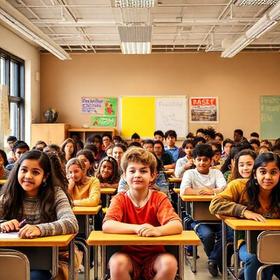
Restorative justice in schools has gained significant traction over the past decade as districts seek alternatives to exclusionary discipline. Instead of focusing solely on punishment, restorative practices emphasize accountability, relationship-building, and repairing harm.
As concerns about suspensions, expulsions, and school climate persist, data increasingly shape how schools evaluate restorative justice implementation. This article examines what current research reveals, where outcomes are strongest, and what families and educators should understand when assessing these programs.
What Is Restorative Justice in Schools?
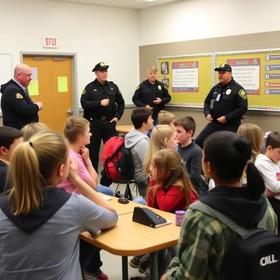
Restorative justice is a framework that shifts discipline from punitive responses to collaborative problem-solving. Common practices include:
- Restorative circles
- Peer mediation
- Facilitated dialogue between affected parties
- Community-building exercises
These approaches are often implemented as part of broader efforts to reduce suspensions and improve school climate.
Why Schools Are Moving Away From Traditional Discipline
Historically, zero-tolerance policies led to increased suspensions and expulsions, often with disproportionate effects on certain student groups. Research has linked exclusionary discipline to:
- Lower academic performance
- Higher dropout rates
- Increased likelihood of involvement with the juvenile justice system
The has documented these disparities and their long-term impact.
As a result, districts are reevaluating discipline strategies in favor of approaches that keep students engaged in learning environments.
What the Data Shows About Restorative Justice
1. Reductions in Suspensions and Expulsions
Multiple large-scale studies indicate that restorative justice programs can reduce exclusionary discipline.
A study of Pittsburgh Public Schools found:
- Suspension rates declined