91¹û¶³´«Ã½

91¹û¶³´«Ã½ Safety

A comprehensive look at the safety of US public schools. Learn what schools are doing to combat gangs and drugs, prepare for natural disasters, and protect your children from predators. From web cameras to armed guards, see what tools public schools are employing to keep kids safe.

View the most popular articles in 91¹û¶³´«Ã½ Safety:

Restorative Justice in Schools: What the Data Shows

Updated
|
Restorative Justice in Schools: What the Data Shows
Explore restorative justice in schools, including discipline data, outcomes, and implementation insights for educators and families.

Restorative justice in schools has gained significant traction over the past decade as districts seek alternatives to exclusionary discipline. Instead of focusing solely on punishment, restorative practices emphasize accountability, relationship-building, and repairing harm.

As concerns about suspensions, expulsions, and school climate persist, data increasingly shape how schools evaluate restorative justice implementation. This article examines what current research reveals, where outcomes are strongest, and what families and educators should understand when assessing these programs.

What Is Restorative Justice in Schools?

Restorative justice is a framework that shifts discipline from punitive responses to collaborative problem-solving. Common practices include:

  • Restorative circles
  • Peer mediation
  • Facilitated dialogue between affected parties
  • Community-building exercises

These approaches are often implemented as part of broader efforts to reduce suspensions and improve school climate.

Why Schools Are Moving Away From Traditional Discipline

Historically, zero-tolerance policies led to increased suspensions and expulsions, often with disproportionate effects on certain student groups. Research has linked exclusionary discipline to:

  • Lower academic performance
  • Higher dropout rates
  • Increased likelihood of involvement with the juvenile justice system

The has documented these disparities and their long-term impact.

As a result, districts are reevaluating discipline strategies in favor of approaches that keep students engaged in learning environments.

What the Data Shows About Restorative Justice

1. Reductions in Suspensions and Expulsions

Multiple large-scale studies indicate that restorative justice programs can reduce exclusionary discipline.

A study of Pittsburgh Public Schools found:

  • Suspension rates declined

. . .read more

School-Based Health Clinics: Funding, Billing, and Student Access

Updated
|
School-Based Health Clinics: Funding, Billing, and Student Access
Learn how school-based health clinics are funded, how billing works, and how students access care in public schools.

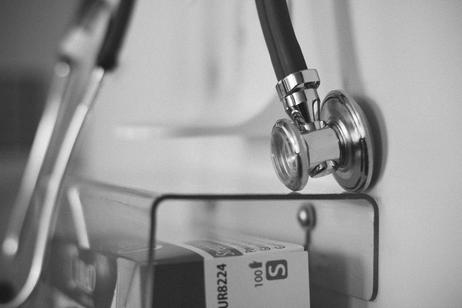
School-based health clinics are becoming an increasingly important part of the public education system. As schools take on a broader role in supporting student well-being, these clinics help bridge gaps in healthcare access, particularly for underserved communities. Understanding how school-based health clinics are funded, how billing works, and how students access services is essential for parents and educators navigating today’s public school landscape.

In many ways, these clinics reflect the same equity-driven goals that shape broader discussions about how public school funding works, ensuring that all students are positioned to succeed academically and physically.

What Are School-Based Health Clinics?

School-based health clinics, often referred to as SBHCs, are healthcare facilities located on or near school campuses. They provide a range of services, including:

  • Primary care, such as check-ups and immunizations
  • Mental health counseling
  • Chronic disease management, including asthma and diabetes care
  • Preventive services, including screenings and health education

These clinics are designed to reduce barriers to care, including transportation challenges, cost concerns, and scheduling conflicts.

How School-Based Health Clinics Are Funded

Funding for SBHCs is typically a blend of public and private sources. This diversified model helps sustain services but can also create variability between districts.

Federal and State Funding

Many clinics receive support through federal programs such as Medicaid and grants from agencies like the Health Resources and Services Administration (HRSA). State governments may also allocate funds, particularly in states prioritizing school health infrastructure.

According to the ,

. . .read more

The Role of Sports in Public Schools in 2026

Updated
|
The Role of Sports in Public Schools in 2026
Explore the role of sports in public schools in 2026, including academic benefits, student wellness, funding challenges, and evolving athletics programs.

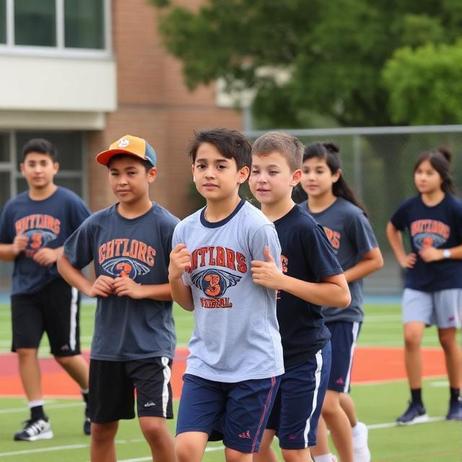
The role of sports in public schools continues to evolve as educators place greater emphasis on student well-being, engagement, and whole-child development. In 2026, athletics programs are no longer viewed simply as extracurricular activities. They are increasingly recognized as an essential component of a balanced education.

Public school sports programs support physical health, teach leadership and teamwork, and help students stay connected to their school communities. As districts address challenges such as student mental health, declining physical activity levels, and academic engagement, athletics programs are playing a larger role in supporting student success.

At the same time, schools must balance expanding athletic opportunities with financial constraints, equity considerations, and changing student interests. Understanding the role of sports in public schools today requires examining both their benefits and the challenges districts face in maintaining strong programs.

Why Sports Remain Essential in Public Schools

Athletics have long been part of American public education, but research continues to reinforce their value. Participation in school sports is linked to improved physical health, stronger social skills, and higher levels of student engagement.

According to the, regular physical activity improves concentration, memory, and classroom behavior in children and adolescents. School sports provide a structured environment where students can meet recommended activity levels while developing important life skills.

In 2026, educators increasingly recognize that sports programs contribute to three key areas of student development:

1. Physical health

Sports help

. . .read more

School Safety & Shootings: 2026 Update

Updated
|
School Safety & Shootings: 2026 Update
A 2026 update on school safety and shootings, with data trends, prevention strategies, and guidance for parents and educators.

School Safety & Shootings: 2026 Update

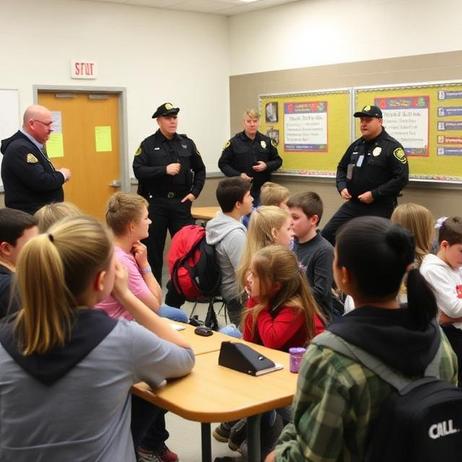
School safety and shootings remain one of the most urgent concerns facing public education in 2026. For families evaluating districts, for educators shaping campus policy, and for administrators managing risk, understanding the latest data and prevention strategies is essential.

Over the past decade, the national conversation has shifted from reactive measures to comprehensive safety systems. While high-profile tragedies continue to capture headlines, long-term improvements in prevention, reporting systems, and school climate initiatives are reshaping how districts approach safety. This 2026 update examines current trends in school safety and shootings, what has changed, and what parents should know when evaluating a public school.

The Current Landscape of School Safety in 2026

National tracking organizations continue to report incidents involving firearms on school campuses each year. Data from the shows that while school violence remains statistically rare compared to other youth environments, the psychological impact on communities is profound.

The most recent federal school crime indicators highlight several key trends:

  • Firearm-related incidents still represent a small fraction of overall school safety issues.

  • The majority of school disciplinary incidents involve non-lethal altercations.

  • Increased reporting mechanisms have contributed to higher documentation rates.

  • Anonymous tip lines and digital monitoring systems have disrupted multiple planned attacks.

In 2026, the emphasis has shifted toward prevention,

. . .read more

Special Education Services in Public Schools 2026 Guide

Updated
|
Special Education Services in Public Schools 2026 Guide
A 2026 guide to special education services in public schools, covering IDEA rights, IEPs, 504 plans, evaluations, and parent resources.

Special Education Services in Public Schools: Rights and Resources

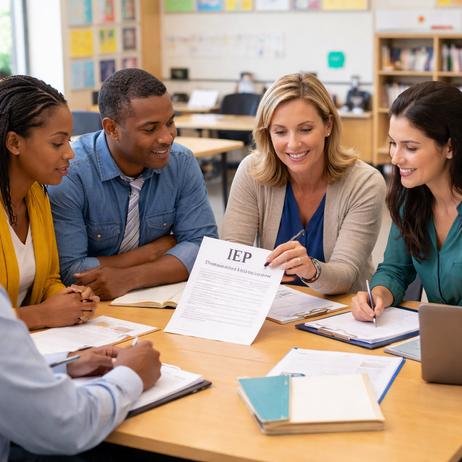
Special education services in public schools are a cornerstone of equitable education in the United States. For millions of students with disabilities, these services provide access to individualized instruction, specialized support, and legal protections that ensure meaningful educational progress.

As of 2026, more than 7.5 million students receive special education services under federal law. While the framework is well established, implementation continues to evolve through updated guidance, inclusive practices, and increased attention to mental health and learning recovery.

This updated guide explains how special education services in public schools work, outlines student rights, and provides practical resources for families navigating the process.

The Legal Foundation: IDEA and Section 504

Two primary federal laws govern special education services in public schools:

  • The Individuals with Disabilities Education Act (IDEA)

  • Section 504 of the Rehabilitation Act of 1973

IDEA guarantees eligible students a Free Appropriate Public Education, often referred to as FAPE, in the Least Restrictive Environment. The U.S. Department of Education oversees IDEA implementation nationwide. Families can review the full statute and guidance at the.

Section 504, enforced by the U.S. Department of Education’s Office for Civil Rights, protects students with disabilities from discrimination and ensures reasonable accommodations. Guidance is available through the.

While IDEA

. . .read more

Recent Articles

What It Takes to Run a 91¹û¶³´«Ã½ Day-to-Day
Explore what it takes to run a public school daily, from leadership and staffing to budgeting, safety, and student support systems.
Restorative Justice in Schools: What the Data Shows
Explore restorative justice in schools, including discipline data, outcomes, and implementation insights for educators and families.
Year-Round School Calendars: Pros, Cons, Research
Explore year-round school calendars, including benefits, drawbacks, and what academic research says about student outcomes.