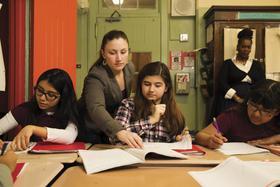
The transition to middle school is one of the most significant academic and social shifts in a child鈥檚 education. For families, summer presents a critical window to prepare, reflect, and build confidence before the first day of school. Thoughtful planning during these months can reduce anxiety, improve organization, and set a strong foundation for long-term success.
This guide to transitioning to middle school offers practical, research-informed strategies for parents navigating this important milestone in 2026.
Why the Middle School Transition Matters
Middle school introduces structural and developmental changes that can feel overwhelming for students. Children move from a single classroom environment to multiple teachers, rotating schedules, and increased academic expectations. At the same time, they are navigating early adolescence, including social pressures and identity development.
According to the, transitions between school levels are critical periods that can influence academic outcomes and student well-being. Proactive family support during this time can improve both confidence and performance.
Understanding What Changes in Middle School
Before creating a summer plan, it helps to understand what your child will encounter.
Academic Expectations
Students will typically experience:
- Multiple teachers and classrooms
- Increased homework and long-term projects
- Greater emphasis on independent learning
- Introduction to graded assessments and GPA tracking in some districts
Social Environment
Middle school brings:
- Larger peer groups and shifting friendships
- Exposure to extracurricular activities
- Increased social dynamics, including peer pressure
Organizational Demands
Students are expected to:
- Manage schedules independently
- Keep track of assignments