School vouchers remain one of the most debated topics in American education policy. In 2026, the conversation has evolved significantly as more states expand school choice programs and families weigh new options beyond traditional public schools.
This updated guide to school vouchers 2026: updated pros and cons examines how voucher programs work today, what has changed in recent years, and what parents and educators should consider when evaluating their impact.
What Are School Vouchers?
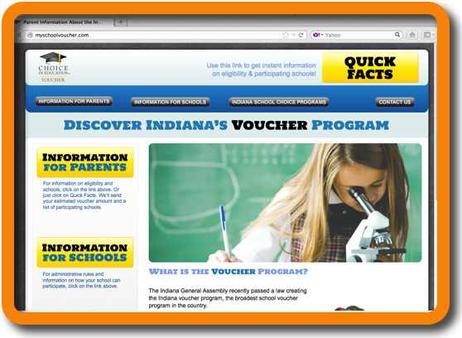
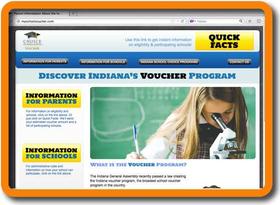
School vouchers are publicly funded scholarships that allow families to use taxpayer dollars to pay for private school tuition, including religious schools in many cases. Instead of attending a zoned public school, eligible students can redirect funding toward participating private institutions.
Voucher programs vary widely by state. Some are targeted toward low-income families or students with disabilities, while others are becoming increasingly universal.
For a broader look at how public education systems operate, see this overview on how public schools are funded.
What鈥檚 New in School Vouchers for 2026?
The landscape of school vouchers has shifted rapidly over the past few years. Key updates include:
1. Expansion of Universal Voucher Programs
States such as Arizona, Florida, and Arkansas have expanded eligibility to nearly all students, regardless of income. These programs are often referred to as Education Savings Accounts (ESAs), offering even greater flexibility than traditional vouchers.
According to the National Conference of State Legislatures, more than a dozen states now offer some form of universal or near-universal school choice program.