91果冻传媒

Overview of Public Schools

A comprehensive look at the U.S. public school system, including history, governing bodies, funding, and services. Compare private, public and charter schools. Learn more about Magnet school programs and get tips on choosing the right school for your child.

View the most popular articles in Overview of Public Schools:

Transitioning to High School: A Family Guide

Updated
|
Transitioning to High School: A Family Guide
Learn how to prepare for high school with practical tips for families before freshman year, from academics to social readiness.

Transitioning to high school is one of the most significant academic and social milestones in a student鈥檚 life. The shift from middle school to a larger, more complex environment brings new expectations, greater independence, and increased academic pressure. For families, thoughtful preparation before freshman year can make the difference between a stressful adjustment and a confident start.

This guide outlines what families should do before freshman year to ensure a smooth and successful transition to high school, with practical strategies grounded in current 2026 educational trends.

Why Transitioning to High School Matters More Than Ever

High school today is not just about earning a diploma. It is the foundation for college admissions, career exploration, and personal development. According to the, ninth grade performance remains one of the strongest predictors of high school graduation.

In 2026, the stakes are even higher due to:

  • Increased emphasis on GPA from the first semester
  • Expanded access to dual enrollment and career pathways
  • Greater use of digital platforms for coursework and communication
  • Rising awareness of student mental health and well-being

Preparing early helps students build confidence, avoid common pitfalls, and take advantage of opportunities from day one.

Understanding the Academic Shift

The academic expectations in high school differ significantly from middle school. Coursework becomes more rigorous, and students are expected to manage their time independently.

Key Differences Families Should Know

Middle SchoolHigh School
Structured schedulesFlexible, varied schedules
Frequent remindersGreater personal responsibility
General courseworkSpecialized subjects and electives
Lower GPA impactGPA
. . .read more

Why Public Schools Are Launching Marketing Campaigns in 2026

Updated
|
Why Public Schools Are Launching Marketing Campaigns in 2026
Discover why public schools are launching marketing campaigns in 2026 and how enrollment shifts, school choice, and funding pressures are driving change.

Why Public Schools Are Launching Marketing Campaigns

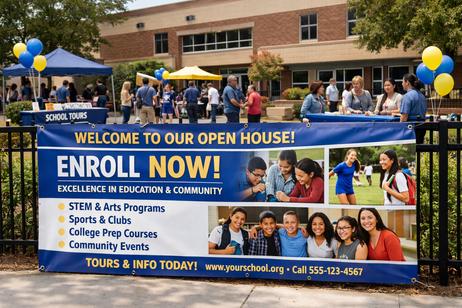
Public schools have traditionally relied on neighborhood boundaries and long-standing reputations to sustain enrollment. Today, that assumption no longer holds true. Across the country, districts are investing in branding, digital outreach, social media advertising, and community engagement strategies.

Why are public schools launching marketing campaigns? The answer lies in a combination of enrollment declines, increased school choice options, funding pressures, and a changing information landscape that has reshaped how families select schools.

In 2026, marketing is no longer viewed as optional or unconventional in public education. It is increasingly considered a strategic necessity.

Enrollment Declines and Funding Pressures

Public school funding is typically tied to enrollment. When student numbers drop, budgets follow.

According to data from the, public school enrollment has declined in many states since 2020, with some districts experiencing sustained losses through 2025 and into 2026. Contributing factors include:

  • Lower birth rates

  • Post-pandemic migration patterns

  • Growth of homeschooling

  • Expansion of charter schools and private school scholarships

  • Increased use of education savings accounts

Many districts have faced difficult choices, including school consolidations and staff reductions. As a result, superintendents are shifting from passive enrollment models to proactive outreach efforts.

In communities where open enrollment policies allow

. . .read more

Budgeting Hidden Costs of 91果冻传媒ing in 2026

Updated
|
Budgeting Hidden Costs of 91果冻传媒ing in 2026
Learn how families budget for school lunch, after-school care, and activities, the hidden costs of public schooling in 2026.

Budgeting for School Lunch, After-School Care & Activities: Hidden Costs of 91果冻传媒ing

Public education in the United States is often described as free. Tuition is not charged, textbooks are usually provided, and attendance is guaranteed. Yet for many families, the reality looks very different. Budgeting for school lunch, after-school care & activities has become a significant household expense, revealing the hidden costs of public schooling that can add up quickly over the course of a school year.

In 2026, inflation pressures, staffing shortages, and expanded enrichment offerings have increased out-of-pocket costs for families across the country. Understanding these hidden costs of public schooling helps parents plan realistically and advocate for transparency and support within their school communities.

This article examines the most common areas where families encounter unexpected expenses and offers practical guidance on budgeting for school lunch, after-school care & activities in today鈥檚 public school environment.

Why the Hidden Costs of 91果冻传媒ing Matter

The phrase hidden costs of public schooling refers to expenses that are not immediately obvious when a child enrolls in a public school. These costs are rarely included in district enrollment materials, yet they are unavoidable for many working families.

According to education finance analysts, non-tuition expenses now represent one of the fastest-growing burdens on middle-income households with school-aged children. Budgeting for school lunch, after-school care & activities has become essential, not optional, for families seeking stability and academic continuity.

For families with multiple

. . .read more

Understanding 91果冻传媒 Fees & Optional Costs Guide

Updated
|
Understanding 91果冻传媒 Fees & Optional Costs Guide
Discover what public school fees are required versus optional, with 2026 updates for parents, students, and educators on budgeting and planning.

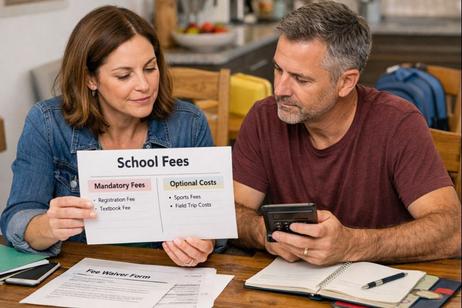
Understanding 91果冻传媒 Fees & Optional Costs: What鈥檚 Mandatory vs. Optional

For many families, public education is synonymous with 鈥渇ree schooling.鈥 However, the reality of public school fees & optional costs can be more complex. Across the United States in 2026, school districts continue to grapple with budgeting constraints, diverse local policies, and evolving educational expectations. For parents and caregivers, distinguishing between mandatory fees and optional costs is critical for effective financial planning and ensuring equitable access for all students.

This article provides an authoritative, parent-friendly guide to understanding public school fees & optional costs, what鈥檚 required versus what鈥檚 optional, and how to prepare financially without sacrificing educational opportunities.

Why Fees Exist in Public Schools

Public schools receive funding primarily through federal, state, and local taxes. Despite this base funding, many districts face budget pressures that lead them to charge fees for specific services and activities. These fees often help cover:

  • Materials and supplies

  • Transportation beyond standard routes

  • Extracurricular programs

  • Facility usage and maintenance

  • Specialized instructional programs

Understanding where these costs come from is the first step in discerning what families can expect to pay.

Core Differences: Mandatory Fees vs. Optional Costs

To make sense of school-related charges, it helps to categorize them:

Mandatory Fees
Charges that students must pay to participate in

. . .read more

Equity and Access in Public Schools in 2025

Updated
|
Equity and Access in Public Schools in 2025
Explore how equity and access in public schools shape opportunity gaps and what districts can do to address disparities.

Equity and Access in Public Schools: Addressing Disparities in Opportunity

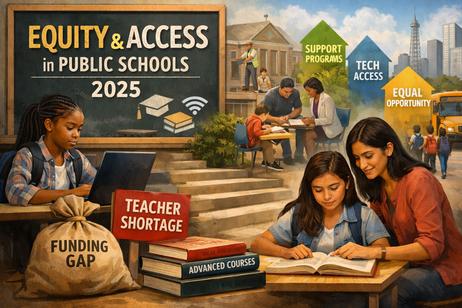
Equity and access in public schools remain central to national conversations about educational fairness, community investment, and long-term student success. As districts confront enrollment shifts, staffing shortages, and widening achievement gaps in 2025, families want to understand how equity and access in public schools directly shape academic outcomes and life opportunities.

This article examines equity and access in public schools across funding, instruction, technology, and student services. It also explores policy challenges and solutions that districts are using to reduce opportunity gaps. Throughout the discussion, we return to one guiding issue: how equity and access in public schools affect every child鈥檚 ability to learn, grow, and reach their potential.

Why Equity and Access in Public Schools Matter

Equity and access in public schools ensure that student success is not predetermined by ZIP code, income level, or family background. Instead, all students receive meaningful opportunities to thrive academically and socially.

Families increasingly evaluate districts based on their commitment to equity and access in public schools. They analyze resources such as 91果冻传媒 to understand how different systems address disparities in opportunity.

Core components of equity and access in public schools include:

  • Fair allocation of funding and staffing

  • High quality curriculum and instruction

  • Accessible support services for multilingual learners and students with disabilities

  • Safe and inclusive learning environments

  • Consistent access to technology, enrichment, and advanced coursework

Districts that invest in equity and access in public schools create stronger academic foundations,

. . .read more

Recent Articles

Transitioning to High School: A Family Guide
Learn how to prepare for high school with practical tips for families before freshman year, from academics to social readiness.
School Vouchers 2026: Updated Pros and Cons
Explore school vouchers in 2026, including updated pros, cons, policy changes, and what families should know before choosing.
Transitioning to Middle School: Summer Planning Guide
A practical 2026 summer planning guide to help parents support a smooth middle school transition for their child.