91果冻传媒

Health and Nutrition at School

From vending machines to Jamie Oliver, bed bugs to tuberculosis, we provide an in-depth look at health and wellness in public schools. Help your kids stay healthy on campus and learn about current health epidemics, vaccination requirements, physical fitness programs and the latest food initiatives.

View the most popular articles in Health and Nutrition at School:

Preventing Suicide in Schools: 2026 Guide for Educators

Updated
|
Preventing Suicide in Schools: 2026 Guide for Educators
Learn updated 2026 strategies for preventing suicide in schools, including warning signs, intervention plans, and school-wide mental health support.

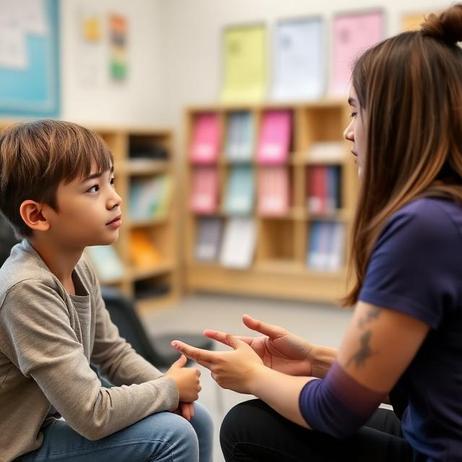
Preventing suicide in schools remains one of the most urgent responsibilities facing educators, administrators, and families in 2026. Youth mental health challenges have continued to rise in recent years, with increasing rates of anxiety, depression, and emotional distress among students. Schools are uniquely positioned to identify early warning signs, provide intervention, and create environments where students feel safe seeking help.

This updated guide builds on prior best practices while incorporating current research, policy shifts, and practical strategies schools can implement today.

Understanding the Scope of the Crisis

Youth suicide remains a leading cause of death among adolescents in the United States. According to the, suicide is consistently among the top causes of death for individuals aged 10鈥19.

Several contributing factors have intensified in recent years:

  • Increased social media exposure and cyberbullying
  • Academic pressure and post-pandemic learning gaps
  • Reduced access to in-person mental health resources
  • Family and economic instability

Schools cannot solve these issues alone, but they play a central role in early detection and support.

Recognizing Warning Signs in Students

Early identification is critical to preventing suicide in schools. Educators and staff should be trained to recognize both verbal and behavioral warning signs.

Common Warning Signs

  • Talking about feeling hopeless or having no purpose
  • Expressing thoughts about death or self-harm
  • Sudden withdrawal from friends or activities
  • Noticeable changes in mood, behavior, or academic performance
  • Giving away possessions or saying goodbye

It is important to understand that warning signs

. . .read more

Esports Programs in Public Schools: Benefits & Funding

Updated
|
Esports Programs in Public Schools: Benefits & Funding
Explore how esports programs in public schools support academic achievement, boost student engagement, and operate through sustainable funding models and partnerships.

Esports programs in public schools are rapidly gaining traction as districts look for innovative ways to engage students and expand extracurricular offerings. Once considered purely recreational, competitive gaming is now being integrated into academic environments with measurable educational benefits and structured funding approaches.

As educators evaluate how esports fits into the broader school ecosystem, it is important to understand both the academic value and the financial models that sustain these programs, particularly as schools prepare students for future pathways highlighted in life beyond high school: the innovative frontier.

The Rise of Esports in Public Education

Over the past decade, esports has evolved into a global industry, and schools are increasingly recognizing its potential as an educational tool. Much like traditional athletics or music programs, esports provides students with opportunities to collaborate, compete, and develop critical skills.

Districts often position esports alongside other enrichment opportunities, reinforcing its role in student development beyond the classroom. Families can better evaluate participation options through guidance, such as extracurricular signups: how to choose clubs, sports, and activities.

Academic Benefits of Esports Programs

Skill Development and Career Readiness

Esports programs promote a range of transferable skills, including:

  • Strategic thinking and problem-solving
  • Communication and teamwork
  • Digital literacy and technical proficiency
  • Time management and goal setting

These competencies align closely with workforce demands, particularly in technology-driven fields. Resources from U.S. Department of Education STEM resources emphasize the importance of engaging students in STEM-related pathways, where esports can serve as an entry point.

Increased

. . .read more

FAFSA Changes and High School College Counseling

Updated
|
FAFSA Changes and High School College Counseling
Explore how recent FAFSA changes are reshaping high school college counseling, financial aid planning, and what families should expect in the 2026 application cycle.

The FAFSA changes introduced over the past two application cycles are reshaping how students apply for financial aid, and high schools are rapidly adjusting their college counseling strategies in response. For families navigating the updated process in 2026, understanding these shifts is essential to making informed college decisions.

From a simplified application to revised financial calculations, the new FAFSA has altered both the timeline and the complexity of financial aid planning. High schools, particularly public schools serving diverse populations, are adapting their counseling models to ensure students do not miss critical opportunities.

What Changed in the FAFSA

The FAFSA Simplification Act brought the most significant overhaul to federal student aid in decades. Key updates include:

1. Simplified Application Process

The new FAFSA reduces the number of questions and allows direct data sharing with the IRS. This aims to make the form more accessible, particularly for first-generation college applicants.

2. Introduction of the Student Aid Index (SAI)

The Student Aid Index has replaced the Expected Family Contribution (EFC). This new metric expands aid eligibility and can even produce negative values, signaling higher financial need.

3. Expanded Pell Grant Eligibility

More students now qualify for Pell Grants due to revised income thresholds and calculations.

4. Delayed and Compressed Timelines

Recent rollout issues have pushed FAFSA availability later into the cycle, compressing decision timelines for students and schools alike.

For official details, families can review

How High Schools Are Adjusting College Counseling

. . .read more

Public Schools Supporting Student Mental Health in 2026

Updated
|
Public Schools Supporting Student Mental Health in 2026
Learn how public schools are supporting student mental health in 2026 through counseling programs, wellness initiatives, and expanded services.

Student mental health has become one of the most urgent issues facing American education. In recent years, rising rates of anxiety, depression, and stress among children and adolescents have pushed school leaders to rethink how public schools support emotional well-being.

In 2026, supporting student mental health is no longer viewed as an optional service. It is increasingly considered a core responsibility of public education. School districts across the country are expanding counseling services, building school-based health centers, implementing social-emotional learning (SEL) programs, and partnering with mental health providers to reach more students.

According to the, national youth surveys continue to show elevated levels of sadness, hopelessness, and anxiety among high school students. These findings have prompted federal, state, and local leaders to invest heavily in school-based mental health services.

This article examines what public schools are doing to support mental health in 2026 and how these efforts are shaping a healthier learning environment for students.

Why Student Mental Health Is a Priority in Public Schools

Educators increasingly recognize that mental health directly affects learning, attendance, and long-term success. Students struggling with anxiety, depression, or trauma often find it difficult to focus, complete assignments, or participate fully in school life.

Research from the shows that nearly one in five children experiences a mental health disorder each year. However, many never receive professional support.

Schools are uniquely

. . .read more

School Lunch Programs: A 2025 Update on Past and Present

Updated
|
School Lunch Programs: A 2025 Update on Past and Present
Explore the evolution of U.S. school lunch programs, updated for 2025鈥攑olicy, participation, nutrition, and how schools serve students today.

School Lunch Programs: Past and Present

Introduction
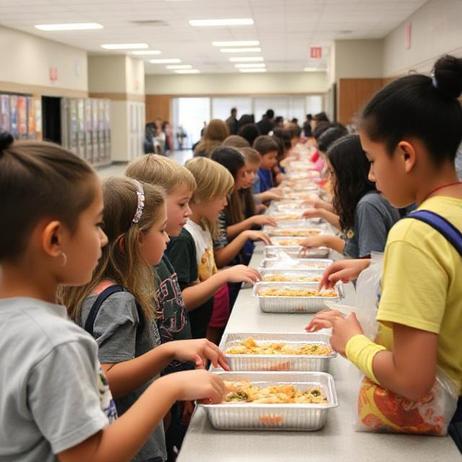
School lunch programs have become a cornerstone of U.S. public education, bridging nutrition and learning for millions of students each day. As of 2025, understanding the evolution of these initiatives鈥攈ow they began, how they鈥檝e changed, and where they stand now鈥攔emains critical for parents, educators and policymakers alike. This article revisits the history of school lunch programs, examines current policy and participation data, and offers a forward-looking view of how they shape the educational environment.

1. Origins of School Lunch Programs
The federal school lunch program in the United States was formalised with the National School Lunch Program (NSLP) under the National School Lunch Act of 1946, with the goal of providing 鈥渘utritious meals鈥 in public and non-profit private schools. Over subsequent decades, the program expanded and adapted in response to shifts in child nutrition science, federal funding, and socio-economic trends.

Earlier iterations emphasised calorie adequacy and food security; by the early 21st century, concerns about childhood obesity and diet quality drove changes in meal standards and procurement practices. For example, the federal rules governing school meals were significantly updated to align with the Dietary Guidelines for Americans 2020鈥2025.This historical foundation sets the stage for how school lunch programs function today.

2. Participation and Reach in 2025
Participation remains large-scale: according to the Food Research & Action Center (FRAC), nearly 29.4 million children participated in the NSLP on a typical day in the 2023鈥24

. . .read more

Recent Articles

Preventing Suicide in Schools: 2026 Guide for Educators
Learn updated 2026 strategies for preventing suicide in schools, including warning signs, intervention plans, and school-wide mental health support.
The Impact of Social Media on Students (2026 Update)
Explore the impact of social media on students in 2026, including academic, mental health, and safety insights for parents and educators.
Building a Summer Reading Plan That Keeps Kids Engaged
Learn how to build a summer reading plan that keeps kids engaged, motivated, and improving literacy skills throughout the break.