STEM education in public schools continues to grow rapidly in 2026. Across the United States, districts are expanding programs in science, technology, engineering, and mathematics to prepare students for a workforce increasingly driven by innovation and technical skills.
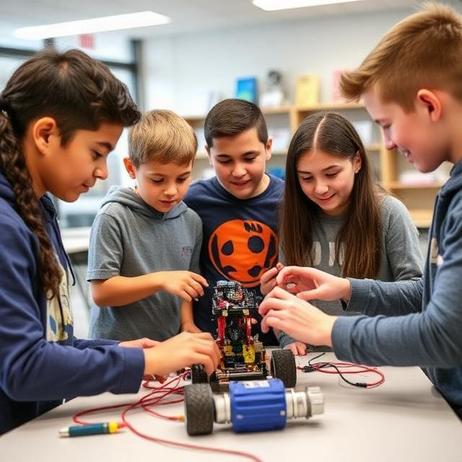
The rise of STEM in public schools is not simply about adding more science classes. It reflects a broader shift toward interdisciplinary learning, hands-on problem solving, and real-world applications. Robotics labs, coding curricula, maker spaces, and career-connected learning opportunities are becoming common in many districts.
This update examines the major trends shaping STEM education in public schools today, including expanded access, workforce partnerships, emerging technologies, and the continued effort to close equity gaps.
Why STEM Education Matters More Than Ever
The growing emphasis on STEM education in public schools is closely tied to labor market trends. Jobs in STEM fields continue to grow faster than many other sectors of the economy.
According to the U.S. Bureau of Labor Statistics, STEM occupations are projected to grow significantly through the next decade, particularly in computing, engineering, and data science. These fields also offer higher-than-average wages and strong long-term career prospects.
Many policymakers and educators believe that expanding STEM education early in a student鈥檚 academic journey can help prepare them for these opportunities. The National Science Foundation highlights that early exposure to STEM skills can improve problem-solving abilities, analytical thinking, and collaboration.
You can explore federal STEM initiatives through the National Science Foundation鈥檚 STEM education programs at
https://www.nsf.gov/education.
In response to these trends, public