91果冻传媒

Updated
|
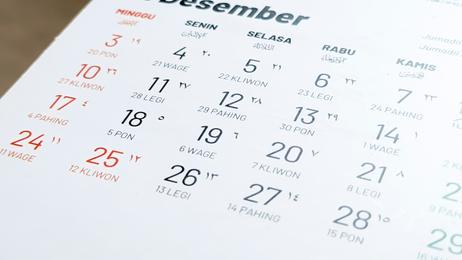
Year-Round vs Traditional School Calendar: 2025 Insights
Explore 2025 research, policies, and expert insights on year-round vs traditional school schedules and their impact on learning, families, and costs.

Year-Round Or Traditional Schedule? Updated for 2025

Should schools adopt a year-round calendar or stick with the traditional schedule? It鈥檚 a question many parents and educators continue to weigh in 2025. The conversation has gained urgency as schools respond to post-pandemic learning gaps, rising costs, and shifting family expectations.

This article examines the most up-to-date data, explores the benefits and challenges of each model, and offers insights from experts, parents, and schools experimenting with alternative calendars.

What Are We Comparing?

  • Traditional schedule: The model most U.S. schools follow鈥攔oughly 180 instructional days over nine months, with a long summer break (10鈥12 weeks) and shorter breaks during the year.

  • Year-round / balanced calendar: Same number of instructional days, but breaks are spread more evenly. Popular versions include 45-15 (45 days in school, 15 off), 60-20, and 90-30. These calendars often feature intersessions鈥攕hort periods for targeted tutoring, enrichment, or rest.

Key Data & Trends in 2025

The landscape looks different in 2025 than it did just a decade ago.

  • About 10% of U.S. public schools now use a year-round or modified balanced calendar. ()

  • 49.5 million students are enrolled in public schools (preK鈥12), with modest declines in elementary grades but stability at the high school level.

  • Private school tuition continues to climb sharply: day schools now average $49,300, while boarding schools average $73,100. ()

  • Nearly 70% of parents surveyed by EdWeek (2024) said they were open to calendar reform if it promised stronger
. . .read more

Class Size in Public Schools: Impact on Learning

Updated
|
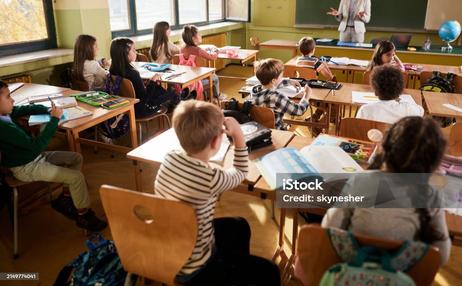
Class Size in Public Schools: Impact on Learning
Does class size in public schools matter for student learning? Explore research, 2025 updates, and expert insights on smaller vs. larger classrooms.

Class Size in Public Schools: Does It Really Matter for Learning?

Few topics generate as much debate among educators and parents as class size in public schools. The question is straightforward: Does the number of students in a classroom truly affect learning outcomes? Yet the answer remains complex.

Class size in public schools has long been viewed as a proxy for educational quality. Parents often equate smaller classes with more personalized attention, while policymakers weigh the financial and logistical challenges of reducing student-teacher ratios. In 2025, as districts balance post-pandemic recovery, equity initiatives, and technology-driven instruction, the conversation around class size is more relevant than ever.

This article explores what research tells us, what has changed in recent years, and how families should think about class size in public schools when evaluating options.

Why Class Size Matters in Public Schools Personalized Attention and Engagement

The most obvious benefit of smaller class size in public schools is the increased opportunity for individual student attention. Teachers can monitor progress more closely, provide targeted feedback, and adapt lessons to diverse learning needs.

Smaller classes also promote:

  • Higher student engagement in discussions

  • Stronger relationships between teachers and students

  • More active participation, especially among shy or struggling learners

Behavior and Classroom Management

In larger classes, teachers often spend more time managing behavior than delivering instruction. By contrast, smaller class size in public schools allows for smoother classroom routines, quicker conflict resolution, and a more supportive environment for social-emotional growth.

What Research Says

. . .read more

A Typical Day in 91果冻传媒: 2025 Guide

Updated
|
A Typical Day in 91果冻传媒: 2025 Guide
Explore what a typical day in public school looks like in 2025. Learn about schedules, classes, lunch, technology use, and extracurricular activities.

What Does a Typical Day Look Like in 91果冻传媒?

For many families, choosing between public and private schools comes down to a question of fit. While private and boarding schools often publish sample daily schedules, families exploring public school options may wonder: What does a typical day in public school actually look like in 2025?

Public school life varies by district, grade level, and state regulations, but most schools in the United States follow a structured pattern designed to balance academic instruction, social development, and extracurricular opportunities. This article breaks down a standard day in public school, while also highlighting how schedules are evolving in response to new technology, post-pandemic changes, and growing awareness of student well-being.

The Structure of a 91果冻传媒 Day

Start Times and Morning Routines

Most public schools in the U.S. begin between 7:30 a.m. and 8:30 a.m. Elementary schools often start earlier, while middle and high schools have been shifting later in recent years. In 2025, more districts have adopted later high school start times, reflecting research from the American Academy of Pediatrics showing that adolescents benefit from additional morning sleep.

A typical morning includes:

  • Arrival and homeroom or advisory check-in

  • Announcements, attendance, and pledge (in many schools)

  • First academic block, often English or math

Class Periods and Core Subjects

Public school schedules are usually broken into six to eight periods of 40鈥60 minutes each. Some districts use block scheduling, with four longer classes rotating every other day.

Core subjects include:

  • English

. . .read more

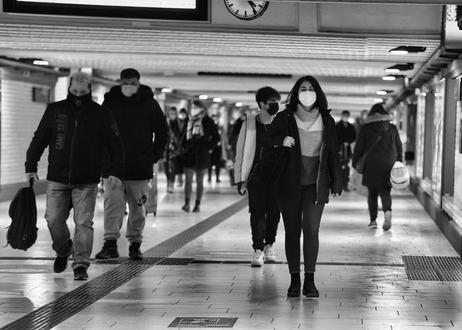
COVID-19鈥檚 Lasting Impact on U.S. Public Schools (2025)

Updated
|
COVID-19鈥檚 Lasting Impact on U.S. Public Schools (2025)
Explore how COVID-19 continues to affect U.S. public schools in 2025: learning losses, enrollment shifts, mental health, and recovery strategies.

The Impact of Coronavirus on Public Schools in 2025

Introduction

The impact of coronavirus on public schools remains deeply felt as we enter 2025. What once was a temporary disruption has evolved into a prolonged recovery landscape鈥攎arked by academic setbacks, shifting enrollment patterns, weakened support systems, and growing concerns over student well-being. Below, we explore how the pandemic continues to shape public education today, grounded in the latest data, expert perspectives, and district-level examples.

1. Lingering Academic Recovery

The impact of coronavirus on public schools is most visible in student achievement. While math scores have shown modest recovery, reading scores continue to slide. Experts estimate full recovery in mathematics may take over seven years, with lower-performing and underserved students lagging significantly behind ().

Furthermore, the 2024 NAEP 鈥淣ation鈥檚 Report Card鈥 shows U.S. high school seniors posting the lowest reading scores in over 20 years, and algebra-level math proficiency near historic lows (). These findings underscore that the impact of coronavirus on public schools is not behind us鈥攊t remains a central challenge.

2. Enrollment Shifts and Structural Decline

Public schools lost more than 1.2 million students between fall 2019 and fall 2023, a 2.5% drop, reflecting both pandemic-related exodus and pre-existing trends. Enrollment declines have been steepest among lower grades鈥攌indergarten down nearly 6%, elementary by 4%, and middle grades by 6%鈥攚hile high school numbers rose slightly.

Overall national enrollment fell from 50.8 million pre-pandemic to about 49.6 million in

. . .read more

15 Failures of U.S. Public Education in 2025

Updated
|
15 Failures of U.S. Public Education in 2025
Updated for 2026: the 15 biggest failures of the American public education system, with new data, expert insights, and reform examples.

Introduction

American public education is at a crossroads. Once hailed as a global standard, the system today faces deep, structural problems that undermine its ability to deliver on its promise of equity and opportunity. From worsening academic performance to chronic underfunding, the failures of the American public education system are not isolated issues but interconnected challenges.

In 2025, the stakes have never been higher. Recent changes within the U.S. Department of Education, demographic shifts, and a surge in private school enrollment have all placed new pressures on public schools. This article examines 15 of the most pressing failures, updated with the latest data and examples, and provides a roadmap for parents and educators seeking context.

1. Academic Decline

The most visible failure is academic performance. As of February 2026, the latest NAEP results publicly available are from 2024, those results show reading and math performance remaining below 2019 levels, with continued challenges in both subjects and uneven recovery across grades. ().

This crisis affects college readiness, workforce preparation, and global competitiveness. As we outlined in our Private vs. Public Schools: 2025 Guide, many families are seeking alternatives due to these declines.

2. Widening Achievement Gaps

Achievement gaps by income and demographic group remain persistent as of early 2026, with national reporting on the 2024 NAEP cycle continuing to show a widening distance between higher and lower performing students. ().

This structural inequity is one of the clearest

. . .read more

Recent Articles

Preventing Suicide in Schools: 2026 Guide for Educators
Learn updated 2026 strategies for preventing suicide in schools, including warning signs, intervention plans, and school-wide mental health support.
The Impact of Social Media on Students (2026 Update)
Explore the impact of social media on students in 2026, including academic, mental health, and safety insights for parents and educators.
Building a Summer Reading Plan That Keeps Kids Engaged
Learn how to build a summer reading plan that keeps kids engaged, motivated, and improving literacy skills throughout the break.