91果冻传媒

Updated
|
Why Poor Grades in High School May Revoke Your Driver's License
For many public schools and states across the country, students failing to meet baseline educational requirements may not be able to drive. Learn more about the correlation between your grades, academic performance, and your driver's license.

Turning 16 in America means reaching the quintessential teen milestone: obtaining your driver鈥檚 license! However, what if your grades could prevent you from getting your driver鈥檚 license?

Indeed, many public high schools, school districts, and even states across the nation have implemented rules that require students to maintain a specific grade point average in order to legally obtain and carry a driver鈥檚 license.

In an effort to encourage better academic performance, public high schools are applying the 鈥渃arrot and stick鈥 philosophy to their student鈥檚 licenses 鈥 and the results have been intriguing.

This video reports on how Tennessee dealt with grade restrictions on student driver's licenses.

Driving up Student Success

Linking student grades with driving privileges is a relatively new practice and one of the most recent states to mandate student driving laws is West Virginia. According to The Intelligencer, the West Virginia Legislature recently amended its current teen driving law, granting the state鈥檚 Department of Motor Vehicles the permission and authority to revoke any student鈥檚 driver鈥檚 license due to poor grades or attendance. Although the law does not currently outline a minimum GPA that students must maintain to preserve their driving privileges, the revised law states that students must uphold 鈥渁dequate academic progress.鈥

Most high school students pursuing classes full-time will take eight credits each semester, and therefore, many West Virginia school leaders plan to report students with

. . .read more

The Pros and Cons of Mandatory Gym Class in Public Schools

Updated
|
The Pros and Cons of Mandatory Gym Class in Public Schools
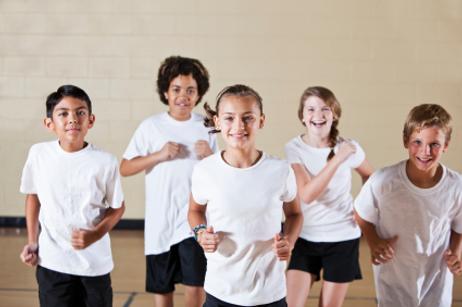
Leaders debate the pros and cons of mandatory gym classes in public schools. Learn more about the controversy and whether gym class should be a phenomenon of the past.

The Pros and Cons of Mandatory Gym Class in Public Schools

On the big screen, gym class is often depicted as a source of awkwardness and embarrassment, typically featuring challenges like rope climbing and timed push-ups.

  • However, gym class is much different now, and it is not surprising that today鈥檚 students and parents are questioning why it鈥檚 even a mandatory part of the day.
  • After all, according to an investigation, researchers have found that the average high school gym class only keeps students physically active for an average of 16 minutes!
  • In a class period that is about 45 minutes long, that isn鈥檛 a lot of active time.
  • In today's educational landscape, where standardized test scores heavily influence teacher and school evaluations, districts cannot afford to perceive physical education as a 'waste' of valuable instructional time.
  • As such, PE classes have been cut so students can spend more time in core classes.

Supporters of mandatory gym programs contend that physical education classes have a wide range of benefits.

  • According to the , physical education classes help children develop fine and gross motor skills, learn cooperation and teamwork, reduce stress, and improve self-confidence and self-esteem.
  • Furthermore, supporters argue that public schools have a responsibility to encourage children to enjoy a healthy and active lifestyle 鈥 especially as a rising number of young Americans are obese.
  • Activities that promote muscular strength, cardiovascular endurance, and flexibility, they
. . .read more

Preparing for a Fashion Career through Public High School Classes

Updated
|
Preparing for a Fashion Career through Public High School Classes
For teens interested in a career in fashion, public high schools may be the place to start! Learn about fashion-based public high schools in America, as well as relevant courses available at every public school.

Many teens are attracted to the glamorous appeal of high-fashion style, runways, and celebrity trends. Fortunately, through innovative public school course offerings, students can begin to develop the skills needed to pursue a career in the fashion industry. While many public schools offer fashion design courses, some students can even enroll in public high schools devoted strictly to fashion!

Innovative Public Schools Dedicated to Fashion

If you live in New York City and have a serious passion for fashion, consider enrolling in New York鈥檚 Fashion High School. While it may sound fictional, Fashion High School (FHS) is an award-winning and widely celebrated public school for fashion-forward teens.

Considered one of the top schools in New York, FHS provides teens with 鈥淐hallenging, creative, and effective vocational, technical and academic鈥 opportunities. In fact, FHS has even garnered national media attention. In fact, both the U.S. News and World Report and the New York Times have published articles celebrating the school鈥檚 success. Furthermore, after evaluating more than 18,000 schools, experts from leading institutions awarded FHS as one of the best schools in the country.

This video reports on a day at the Fashion Industries High School.

FHS aims to provide students with an educational experience that is personally, socially, and professionally sound. Specifically, educators guide students through lessons that center on core issues such as:

  • Students work together collaboratively
. . .read more

Going Through a Divorce? How to Ensure Your Child's Continued Success in Public Schools

Updated
|
Going Through a Divorce? How to Ensure Your Child's Continued Success in Public Schools
Divorce can be a traumatic experience for children, but by working closely with your children's teachers, you can help maintain their grades and positive behavior at school.

Children are often caught in the crossfire of a divorce, and separation results can wreak havoc on a child鈥檚 academic performance and behavior at school. In fact, as expert counselor asserts, 鈥淐hildren exposed to divorce are twice as likely to repeat a grade and five times likelier to be expelled or suspended from school.鈥

Researchers have found that many children experience behavioral changes in the immediate months after a divorce. Subsequently, divorcing parents can help their children maintain their performance in public schools by understanding these issues.

This video explains how divorce impacts children's mental health.

What Happens to Children after a Divorce

In the months following a divorce, children tend to demonstrate more disobedient, less affectionate, and more demanding behaviors. As children carry their personal problems from home into their school atmosphere, some of the changes seen in their school behavior include:

  • Withdrawal
  • Dependency
  • Inattention
  • Unhappiness
  • Reduced work ethic and effort
  • Increased acts of violence
  • Physical boundary problems

Due to the dramatic upheaval in a child鈥檚 environment, divorce can impact students in an array of grade levels and at various ages.

Preventing Long-Term Problems: 91果冻传媒 Resources for Family Support

Studies show that over half of the reported divorces in the United States involve children and/or teens. Subsequently, Early School Years argues, 鈥淚t is important to remember that divorce does affect children, and it鈥檚

. . .read more

Can Students Be Legally Prosecuted for School Fights?

Updated
|
Can Students Be Legally Prosecuted for School Fights?
This comprehensive guide explores the increasing trend of legal prosecution for school fights, discussing recent incidents, age considerations, and the shift from traditional school punishments to law enforcement involvement. It provides valuable insights for parents, educators, and students about the evolving landscape of school discipline and safety measures.

The consequences for school fights may no longer be limited to a visit to the principal鈥檚 office and detention. In recent years, concerns about school safety, social media-fueled conflicts, and high-profile incidents of campus violence have led many districts to involve law enforcement more quickly when fights break out.

Over the past several years, schools across the country have reported fluctuations in student behavior following pandemic-related disruptions. Federal data from the National Center for Education Statistics has shown increases in reported physical altercations and disciplinary incidents during the return to in-person learning.

School Fights: The Rising Threat

Public schools nationwide report more severe punishments for school fights and student misbehavior. For example, in some communities, large-scale fights have required significant police presence. According to reports, the police were called to the school after multiple fights broke out among students.

Students involved faced charges such as disorderly conduct and simple affray. In cases where students allegedly assaulted school resource officers or staff members, more serious charges were added.

While students 18 and older are understandably tried as adults, many community members question whether the 16 and 17-year-old students should have been similarly reprimanded, as they are technically minors.

This video discusses how to deal with fighting in school.

School leaders often argue that when large groups are involved, or when weapons or staff injuries are reported, law enforcement involvement is necessary to protect students and faculty.

. . .read more

Recent Articles

Preventing Suicide in Schools: 2026 Guide for Educators
Learn updated 2026 strategies for preventing suicide in schools, including warning signs, intervention plans, and school-wide mental health support.
The Impact of Social Media on Students (2026 Update)
Explore the impact of social media on students in 2026, including academic, mental health, and safety insights for parents and educators.
Building a Summer Reading Plan That Keeps Kids Engaged
Learn how to build a summer reading plan that keeps kids engaged, motivated, and improving literacy skills throughout the break.